How to prevent frozen pipes in Maryland winters
Maryland winters freeze pipes fast. Learn how to prevent frozen pipes with insulation, temperature settings, and emergency fixes from local plumbers.
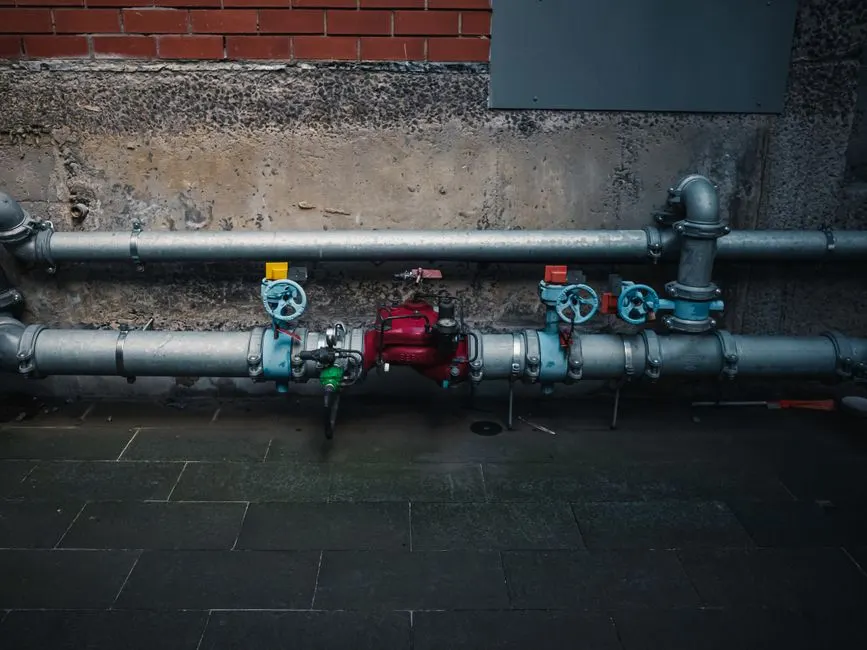
You prevent frozen pipes in Maryland winters by keeping cabinet doors open, maintaining indoor temperatures at 55°F or higher, insulating exposed pipes in crawl spaces and garages, and dripping faucets on exterior walls during hard freezes. The first two sentences give you the answer; the rest of this guide explains exactly how to do each one, what it costs, and what to do when a pipe freezes anyway.
We are Maryland Plumbing Pros, and we have thawed and repaired thousands of frozen lines across the state. This article covers the specific risks of Maryland's freeze-thaw cycles, a month-by-month winterization plan, insulation priorities, emergency steps, and the mistakes that turn a $200 repair into a $6,000 flood.
Why Maryland winters freeze pipes so fast
Maryland's freeze risk comes from rapid temperature swings, not sustained deep cold. A 55°F afternoon in Baltimore can drop to 18°F by 2 a.m., and that 37-degree swing in twelve hours is what cracks pipes. Water expands about 9% when it freezes, and that expansion generates over 2,000 psi of pressure inside a copper or PEX line - enough to split the pipe wall.
Homes in Plumbing services in Baltimore and other older Maryland cities face a second problem: unheated crawl spaces and rim joists that were never insulated when the house was built. In neighborhoods with 1920s-1950s rowhomes, supply lines often run along exterior walls with zero insulation. Those pipes freeze first.
We also see a lot of freeze damage in newer construction where pipes run through garages or attic chases. Builders route lines through unconditioned space to save money, and homeowners never know until the first hard freeze. If your home has any pipe in a garage wall, attic, or crawl space, that is your highest-risk line.
How do I prevent frozen pipes in Maryland winters?
Prevent frozen pipes in Maryland winters by combining temperature control, insulation, and a few simple habits. Here are the eight steps we walk every customer through before the first freeze.
- Keep the heat at 55°F or higher, even when you travel. This is the single most important step.
- Open cabinet doors under kitchen and bathroom sinks on exterior walls so warm air reaches the pipes.
- Let faucets drip - a pencil-thin stream on the highest and lowest fixtures in the house keeps water moving.
- Disconnect garden hoses and shut off outdoor spigots from inside. A frozen hose bib can split the pipe behind the wall.
- Insulate exposed pipes in crawl spaces, garages, basements, and attics with foam or fiberglass sleeves.
- Seal air leaks around pipe penetrations with caulk or spray foam. Cold air blowing on a pipe freezes it faster than ambient temperature alone.
- Keep garage doors closed if any plumbing runs through the garage ceiling or wall.
- Install a smart thermostat or freeze alarm so you know the temperature dropped before the pipe bursts.
These steps cost under $100 total for most homes and take an afternoon. We install pipe insulation and freeze alarms as part of our Residential Plumbing Services in Maryland, and we can usually get it done in a single visit before the first hard freeze.
Winter plumbing preparation in Maryland: a month-by-month checklist
Winter plumbing preparation in Maryland works best when you start in October, not January. Here is the schedule we recommend to homeowners across the state.
October: inspect and insulate
Walk your crawl space, basement, and garage. Look for bare copper or PEX lines. Measure the pipe diameter and buy foam insulation sleeves sized to match - 1/2-inch, 3/4-inch, or 1-inch. Wrap every exposed run. Pay extra attention to pipes near foundation vents.
November: disconnect and drain
Disconnect all garden hoses. Shut off the interior valve feeding each outdoor spigot, then open the spigot outside to drain remaining water. If you have a sprinkler system, blow it out with compressed air. This is also the month to test your sump pump and check that your water heater is running efficiently before holiday guests arrive.
December through February: monitor and maintain
Keep thermostat settings consistent. Check the pipes in your crawl space after every hard freeze - a flashlight and five minutes can catch a pinhole leak before it soaks insulation. If you leave town, set the heat to 55°F minimum and ask a neighbor to check the house.
March: thaw and inspect
As temperatures rise, walk the same areas again. Freeze damage often shows up as a slow drip that only appears during the thaw. Catch it early and you avoid mold and structural damage.
What temperature should I keep my house at to prevent frozen pipes in Maryland?
Keep your house at 55°F or higher at all times - day and night - to prevent frozen pipes in Maryland. The common advice to "lower the thermostat when you sleep" is fine for energy bills but dangerous for plumbing when outdoor temps drop below 20°F.
Here is the temperature math we use:
- Outdoor temp above 32°F: any indoor setting above 60°F is safe.
- Outdoor temp 20-32°F: keep indoor temp at 58-62°F minimum.
- Outdoor temp below 20°F: keep indoor temp at 55°F minimum, open cabinet doors, and drip faucets.
- Outdoor temp below 0°F: 55°F minimum plus drip every faucet on an exterior wall. Consider a space heater in the coldest room.
If you have a second home or travel frequently, a smart thermostat that alerts you when the temperature drops below 50°F is worth the $150-$250 cost. We have seen $12,000 in water damage from a homeowner who turned the heat off for a weekend trip in January.
Pipe insulation Maryland: which pipes need it most
Pipe insulation in Maryland matters most on pipes in unconditioned spaces. Prioritize these five locations:
- Crawl space supply lines. These freeze first because cold air settles low.
- Garage walls and ceilings. Any pipe running through a garage is at risk.
- Attic runs. Especially in older homes where pipes were routed through the attic to reach second-floor bathrooms.
- Exterior wall cavities. Kitchen and bathroom sinks on outside walls are common freeze points.
- Outdoor spigots and hose bibs. These need a frost-proof cover or interior shut-off valve.
Foam pipe insulation costs about $1-$3 per linear foot at any Maryland hardware store. Fiberglass wrap runs $2-$5 per foot. For pipes that have already frozen once, we recommend heat tape - a plug-in cable that warms the pipe - which costs $30-$80 for a 6-foot section and uses about as much electricity as a light bulb.
If you are not comfortable working in a crawl space or attic, our team installs pipe insulation and heat tape as part of our Plumbing Repairs in Maryland. We also check for existing freeze damage while we are in there.
What to do if pipes freeze in Maryland
If your pipes freeze in Maryland, act fast: turn off the water at the main shut-off valve, open the nearest faucet, and warm the pipe with a hair dryer, heat lamp, or portable space heater. Never use an open flame. A frozen pipe that thaws without bursting is a best-case outcome - but you have to move quickly.
Here is the step-by-step we give customers over the phone:
- Shut off the main water valve. This limits flooding if the pipe has already cracked.
- Open the faucet closest to the frozen section. This relieves pressure and lets you know when water starts flowing again.
- Apply gentle heat. Start at the faucet end and work toward the frozen section. A hair dryer on high, a heating pad, or towels soaked in hot water all work.
- Do not use a torch or open flame. You can melt solder joints, damage PEX, or start a fire inside a wall.
- Watch for leaks. Once water flows, check the entire line for drips. A pipe that froze and thawed may have a hairline crack that only leaks under pressure.
If you cannot find the frozen section or the pipe has already burst, call us. Our Emergency Plumbing Services in Maryland run 24/7, and we carry thawing equipment and repair parts on every truck. We can usually thaw a residential line in 30-90 minutes and repair a burst section the same visit.
Common mistakes that lead to burst pipe prevention Maryland failures
The biggest burst pipe prevention Maryland mistake is assuming a newer house will not freeze. We repair frozen pipes in 1990s and 2000s construction every winter because builders ran lines through garages and attics without insulation.
Here are the other mistakes we see most often:
- Turning the heat off completely when traveling. Even three days at 35°F indoor temperature can freeze pipes.
- Closing cabinet doors during a cold snap. This traps cold air around the pipes.
- Forgetting the outdoor spigot until after the first freeze. By then the pipe behind the wall may already be cracked.
- Using a space heater unattended in a crawl space. This is a fire hazard and does not address the root cause.
- Ignoring a slow drain in winter. A partially clogged line freezes faster because water sits in the pipe.
If your drains are running slow going into winter, have them cleaned before the first freeze. Our Drain Cleaning in Maryland service removes the buildup that gives freezing water a place to start.
When to call a professional
Call a professional when you cannot locate the frozen section, when the pipe has already burst, or when the frozen line is inside a wall or under a slab. Those situations need thawing equipment and repair parts that most homeowners do not have.
We also recommend calling us if your pipes have frozen more than once in the same spot. That is a sign of an insulation or air-sealing problem that will keep happening every winter until it is fixed properly. Our team finds the cold-air source, insulates the line, and verifies the repair with a pressure test before we leave.
Maryland Plumbing Pros handles frozen pipe repair, insulation upgrades, and emergency thawing across the state. We serve homeowners in Plumbing services in Frederick, Baltimore, Columbia, and every community in between.
Frequently Asked Questions
How do I prevent frozen pipes in Maryland winters?
Keep your thermostat at 55°F or higher, open cabinet doors under exterior-wall sinks, let faucets drip during hard freezes, disconnect garden hoses, and insulate exposed pipes in crawl spaces and garages. These steps cost under $100 and take an afternoon.
What temperature should I keep my house at to prevent frozen pipes in Maryland?
Set your thermostat to 55°F minimum at all times. When outdoor temperatures drop below 20°F, keep the indoor temperature at 55°F or higher and drip faucets on exterior walls. Never turn the heat off completely when traveling.
What should I do if my pipes freeze in Maryland?
Shut off the main water valve, open the nearest faucet, and warm the pipe with a hair dryer or heating pad. Never use an open flame. If you cannot find the frozen section or the pipe has burst, call a licensed plumber immediately.
How much does frozen pipe repair cost in Maryland?
Typical 2026 pricing in Maryland runs $250-$600 for a simple thaw and repair, $600-$1,500 for a burst pipe inside a wall, and $2,000-$8,000 if water damage requires drywall or flooring repair. Emergency after-hours calls add $150-$300.
Can I prevent frozen pipes with heat tape?
Yes. Heat tape warms the pipe and prevents freezing in crawl spaces, garages, and attics. A 6-foot section costs $30-$80 and uses about as much electricity as a light bulb. Install it on the coldest exposed run and plug it in before the first freeze.
Get help with Plumbing services in Maryland
If your pipes have already frozen or you want a professional winterization before the next cold snap, Maryland Plumbing Pros is ready. We handle frozen pipe repair, insulation, and emergency thawing across the state.
Call us at (410)886-8838 for same-day service and upfront pricing.